
Introduction: When a Saree Made Headlines
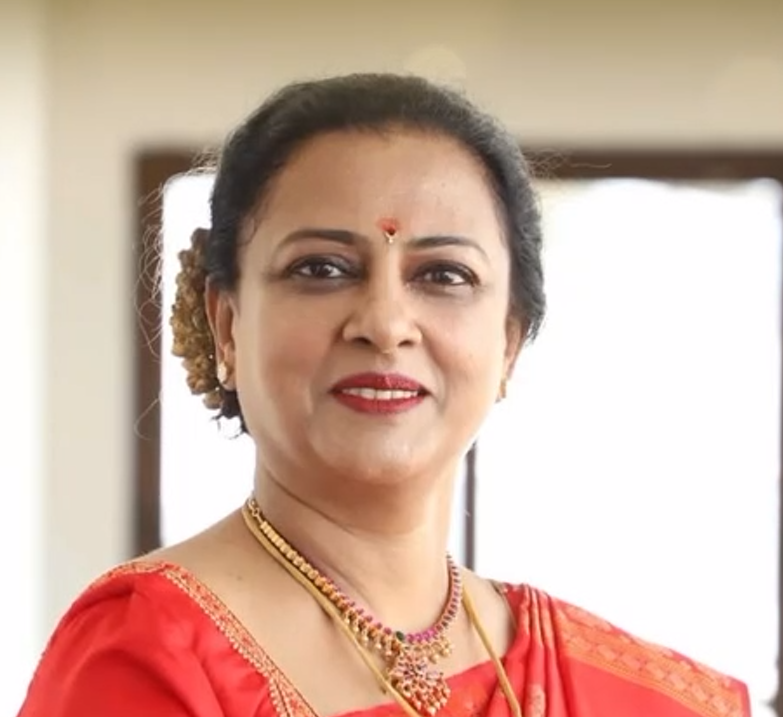
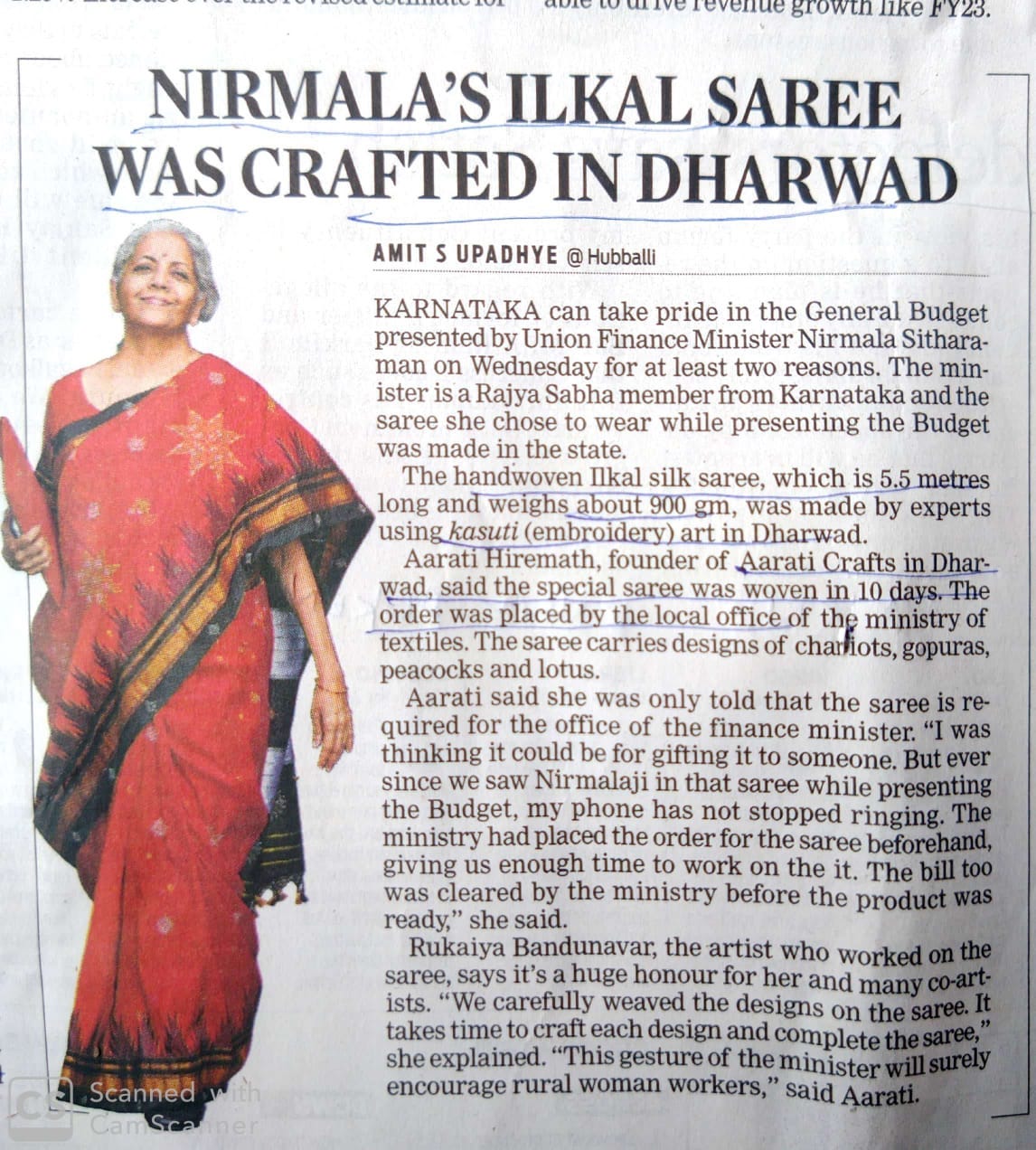
On February 2, 2023, Finance Minister Nirmala Sitharaman walked into Parliament wearing a Kasuti saree from Karnataka. This caught the nation’s attention and highlighted the stunning embroidery. The saree came from Artikrafts, founded by Arati Hiremath, who has spent 36 years reviving this traditional craft.
Arati says, “I didn’t know what was happening when my weaver called me that morning. It turned out to be the best day of my life.”
This moment symbolised recognition for hundreds of women artisans who keep the Kasuti tradition alive.
A Stitch of Compassion: How It Began
After completing her B.Com, Arati once accompanied her mother to an exhibition in Dharwad, where her mother bought a saree from a group of artisans. A few days later, those same artisans came to meet Arati. They told her that they were struggling to earn a livelihood and requested her help in finding work.
Arati says she started with ₹7,000 and began taking small orders. She also mentions that her mother’s love for sarees and her own interest in embroidery learned in school craft classes inspired her to enter this field.
In an era with no social media or online stores, she relied entirely on word-of-mouth and small exhibitions to sell her sarees.
Building Articrafts: From a Small Start to 200 Artisans
As her passion grew, Arati began participating in exhibitions in Mumbai (Society Collection) and Bangalore (AWAKE). Her brand slowly expanded from small boutiques to larger retail stores.
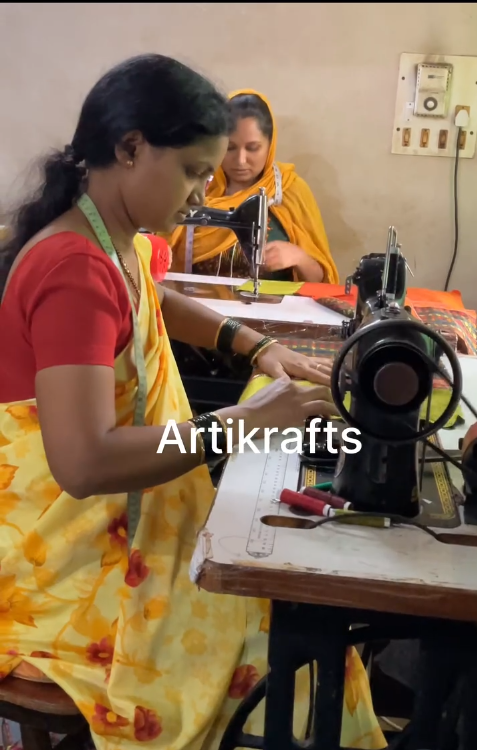
In the early 2000s, she founded the Society for Empowerment and Mobilisation of Artisans (SEMA) to train women in embroidery and craftwork. Over the years, this NGO has trained nearly 2,000 artisans, with about 200 currently working with it.
Many of them were housewives or rural women who found financial independence through their skills. “Some of them could not step out of their homes,” says Arati. “Now they earn, contribute, and feel confident about their identity.”
However, Arati eventually discontinued SEMA because “the welfare activities started taking over the embroidery work. The artisans became more interested in the stipends than in learning the craft.”
She felt she could create a deeper impact as a private entrepreneur.
The Kasuti Saree: Art, Culture, and Craft
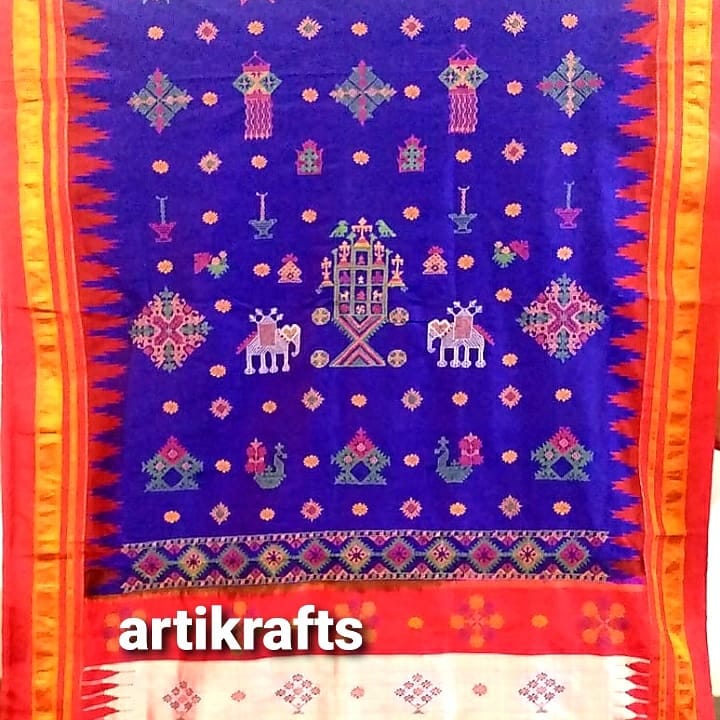
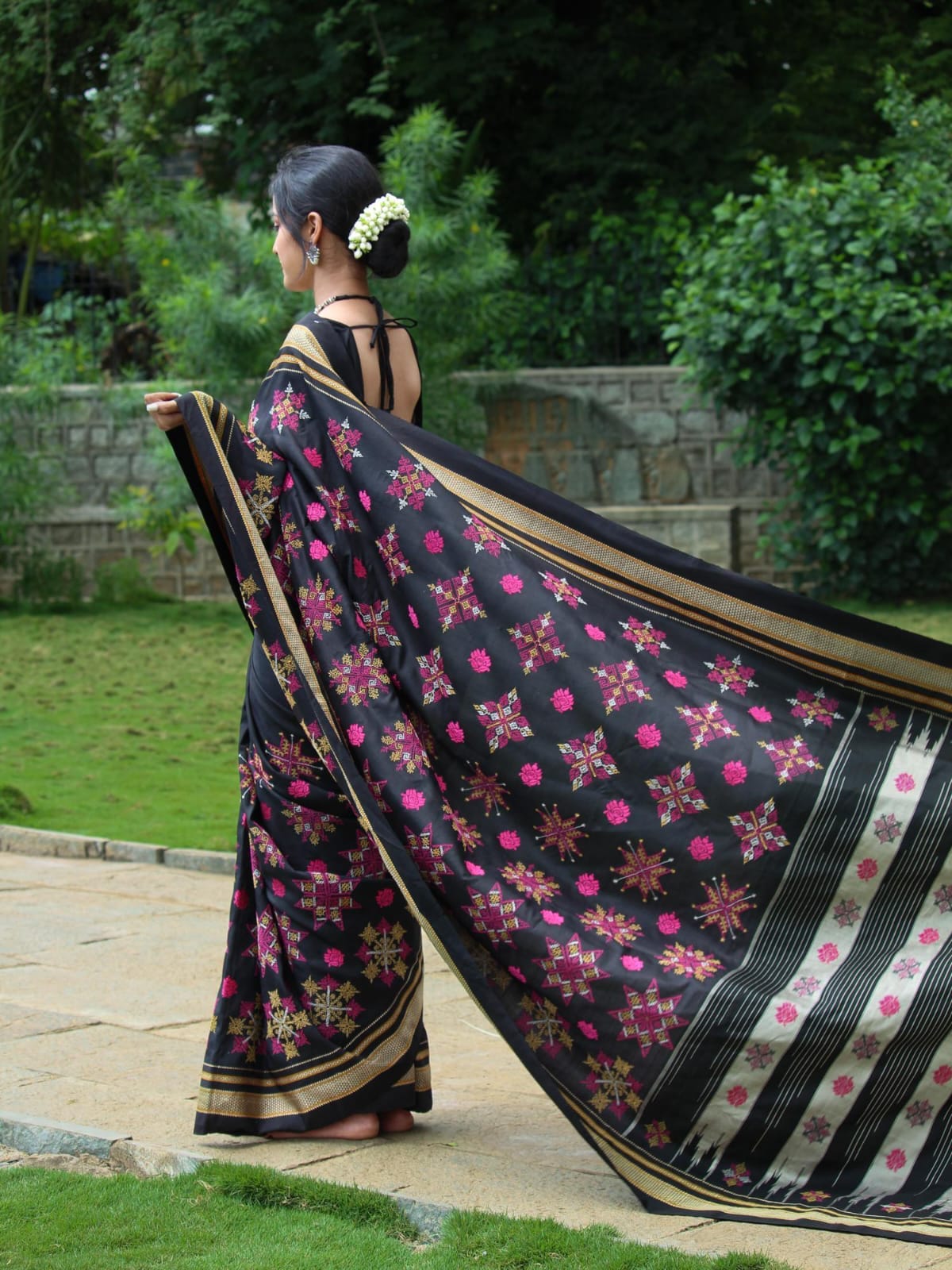
The Kasuti saree is not just a garment. It is a legacy of Karnataka’s folk art, characterised by fine embroidery created entirely by hand. Kasuti is “a very intricate craft, totally done on freehand.”
Traditionally, the stitches Gavanti, Negi, and Murgi are done without tracing or knots, resulting in perfect symmetry on both sides of the fabric.
According to Arati, each motif tells a story. The weavers draw inspiration from nature, temples, and rural life. Patterns include birds, flowers, chariots, and gopurams. Every saree is a blend of devotion and precision. She explains, “It was always done freehand in earlier days. The geometry and detailing fascinated me.”
Traditionally done by the weaver community women who used leftover yarn from weaving sarees. Every saree reflects rural life and the folk art of Karnataka. Arati says, “We constantly reinvent so people don’t lose interest.”
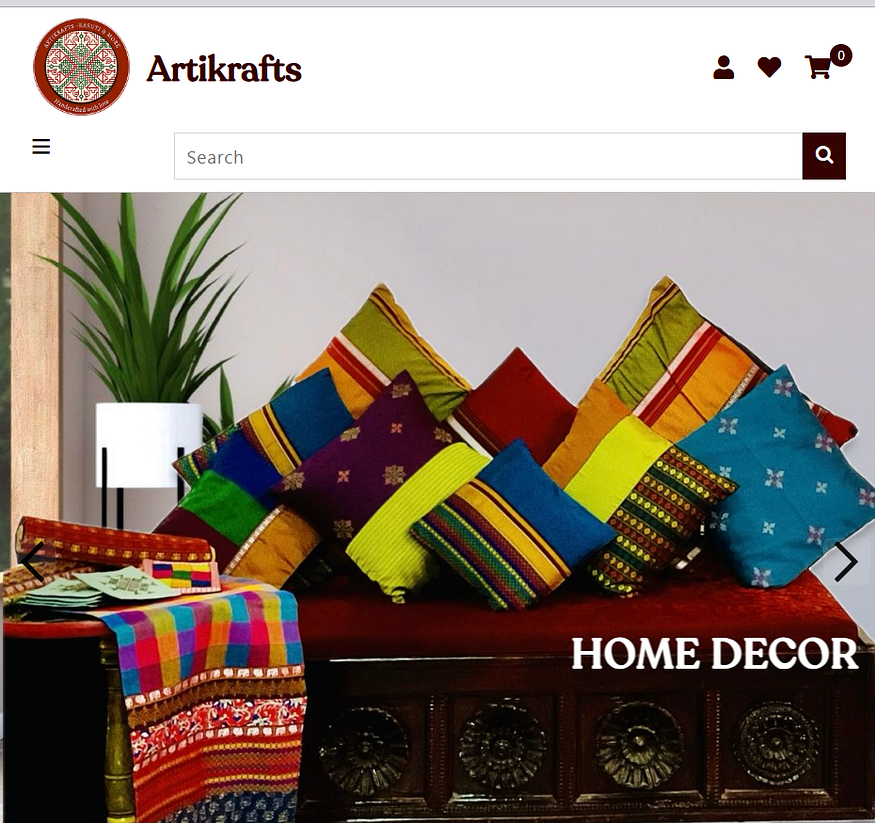
Her designs now include Indian wedding sarees, home décor, bags, and menswear while keeping motifs authentic. Her collection of silk sarees and handwoven drapes represents the best of Indian craftsmanship.
Digital Turn: From Thread to Screen
In the early 2000s, the government encouraged NGOs like hers to promote crafts. Around 2010, the era of social media arrived, and Facebook and Instagram transformed her sales.
A few students from NIFT started a Facebook page called “Kasuti Pride of Karnataka,” which introduced the Kasuti saree to a global audience.
Get Desi_Udyoginis’s stories in your inbox
Join Medium for free to get updates from this writer.Subscribe
That marked the beginning of what we now know as Artikrafts. From sarees and kurtis to men’s pyjama sets, sling bags, and tea coasters, the brand blends beauty with everyday elegance.
Orders began pouring in, and her team grew from a handful of artisans to over 200. “It was like a new era,” she recalls. “People from India and abroad began to value hand embroidery again.”
“It was a fantastic time for Indian crafts and textiles,” Arati shared.
The Saree that Reached Parliament
One day, Arati received a call from the Dharwad DC’s office with an unexpected request.
The Finance Minister wanted ten Kasuti sarees in just fifteen days. It was a challenge few could have accepted, as each saree takes weeks to complete. But Arati was determined to deliver.
Her artisans worked day and night. When the sarees were finally ready, they were sent to Delhi. A few days later, on Budget Day, Arati’s weaver called her in excitement. “Madam, turn on the TV!” he shouted.
When she looked, she saw Nirmala Sitharaman stepping out of her car, wearing one of her Kasuti silk sarees. “I thought something terrible had happened,” Arati laughs, “but it was the happiest moment of my life.”
On that day, her saree reflected the soul of Indian craftsmanship and celebrated Karnataka’s heritage before the nation.
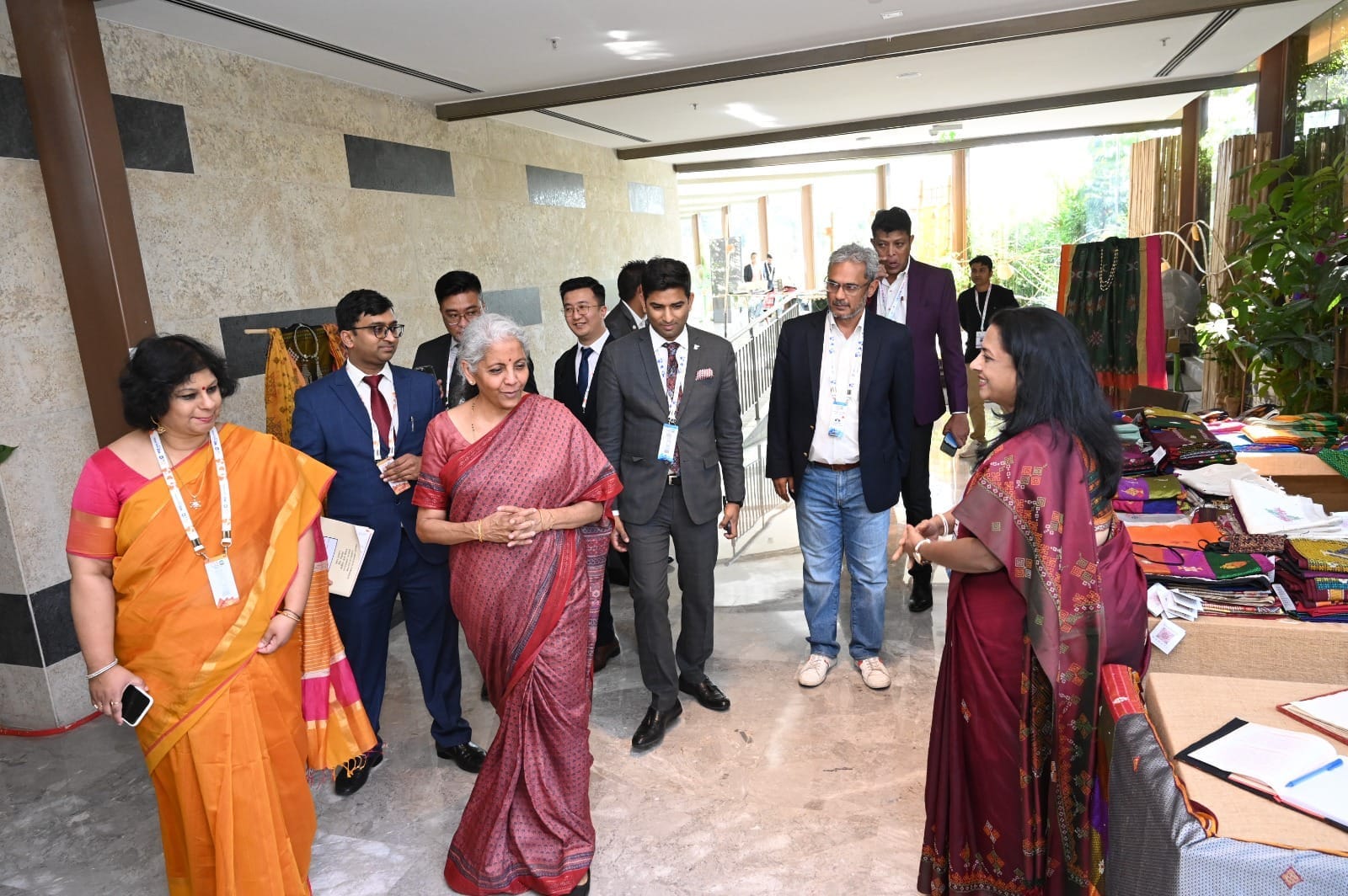
Media and reporters gathered at Arati’s store for interviews that same day.
Empowering Women through the Saree
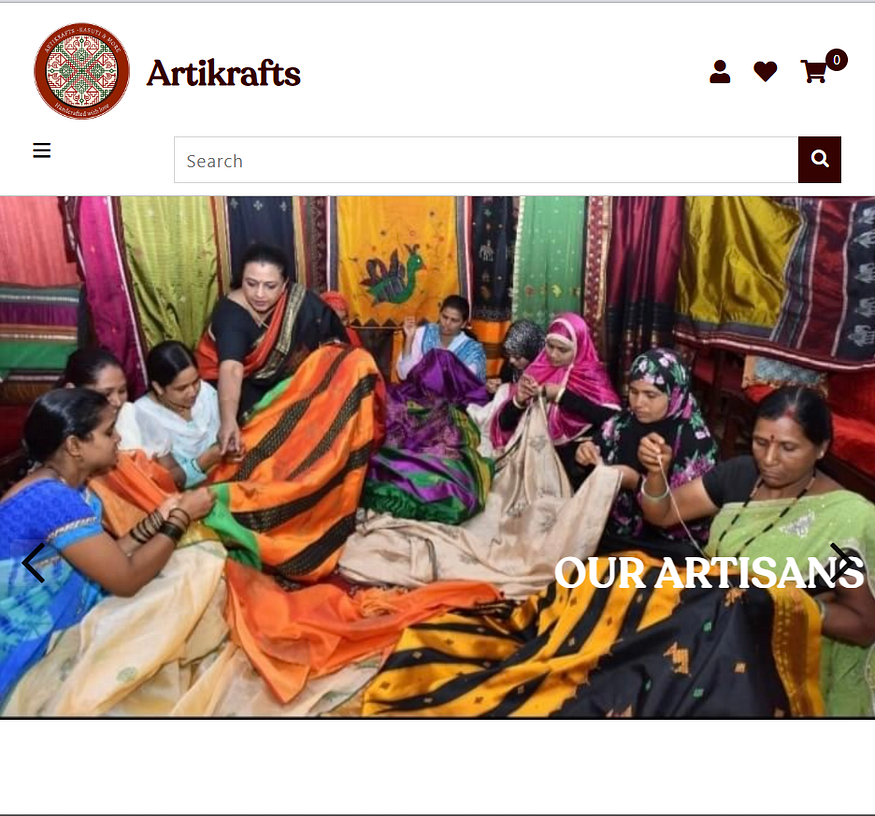
Over the decades, Articrafts became a hub for rural and Muslim women artisans. Many artisans work from home, balancing family life with craft. Arati often provides informal counselling, helping women gain confidence. One hearing-impaired artisan has worked with her for 20 years and now lives independently. “Financial independence brings dignity. That is the real success,” says Arati.
Challenges and Resilience
Running a handmade saree business comes with challenges. Arati faces challenges such as design imitation, lack of funding, and the struggle to balance tradition with modern trends. Yet she remains strong. “They can copy my designs,” she says proudly, “but not my mind and creativity.”
Her perseverance brought meaningful recognition when Sri Sathya Sai University for Human Excellence in Muddenahalli honoured her for her contribution to traditional crafts.
The organisers invited her to Bangalore, provided travel arrangements, and awarded her ₹5 lakh, acknowledging her decades of dedication.
Arati considers it more than money; she says, “It’s a feeling of being appreciated after 36 years of hard work.”
Legacy and Future of the Kasuti Saree
Today, Articrafts continues to flourish. The brand sells online through its website and social media, while also maintaining a physical store in Karnataka. Arati still works closely with artisans, ensuring that each saree remains authentic to its roots.
Her dream is to see every woman, in India and abroad, understand the beauty of the Kasuti saree and the hard work of its weavers. She also hopes the younger generation will value this heritage and help carry it forward.
“For me,” she says, “every thread tells a story of resilience, revival, and the women who dared to dream.”
Conclusion: When a Saree Speaks for a Nation
The Kasuti saree became a national symbol of heritage and empowerment. From two artisans to two hundred, Arati Hiremath’s journey shows how a simple saree can change lives. Her story proves that tradition and innovation can coexist when woven with passion.
She dreams that women worldwide will recognise the effort behind every Kasuti saree and support the artisans who make them.
Get daily inspiration from women entrepreneurs — follow us on Instagram @desi_udyoginis