
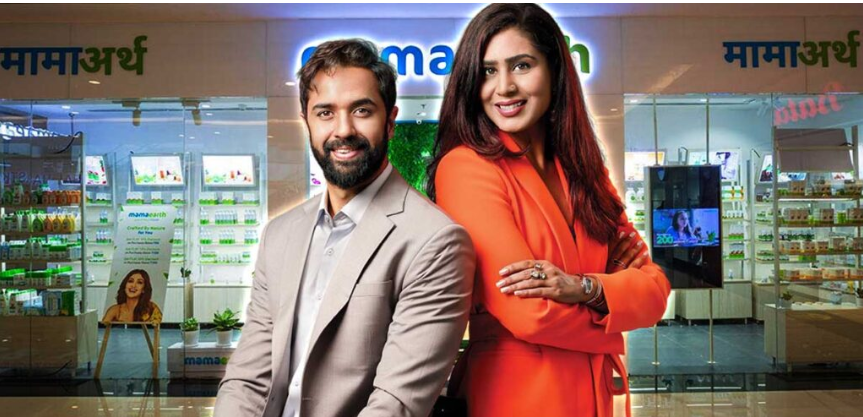
It started quietly. A few comments under a video. A short reel from a skincare creator. A mother wondering why her favourite facewash felt different this time. Nothing dramatic at first. Nothing explosive. Just small warnings floating across the internet.
But small warnings grow fast online.
Within days, Mamaearth, once the celebrated name in safe baby products and gentle organic products, found itself caught in a storm of questions. What went wrong with one of India’s fastest-growing cosmetic product brands? Why did customers shift from loyal fans to sceptical critics?
To understand the fall, you need to look beyond the noise. You need to examine the story behind the smiles on ads, the numbers in financial reports and the pressure that builds inside a brand that grows too fast.
This is not a story of one mistake. This is a story of how trust breaks slowly, a brand now caught between perception and survival.
The Meteoric Rise: From Organic Dream to Skincare Powerhouse
Mamaearth was born out of Ghazal and Varun Alagh’s frustration as new parents searching for safe cosmetic and baby products. Ghazal faced rejection when she first pitched the idea, but that only strengthened her resolve. She believed India needed reliable organic products that parents could trust.
The couple tapped into a huge gap. Indian families were shifting toward natural skincare products and adopting a more conscious lifestyle. Mamaearth positioned itself as the brand that listened to parents. Their message spread quickly through digital marketing and early influencer partnerships. Baby products soon became household favourites.
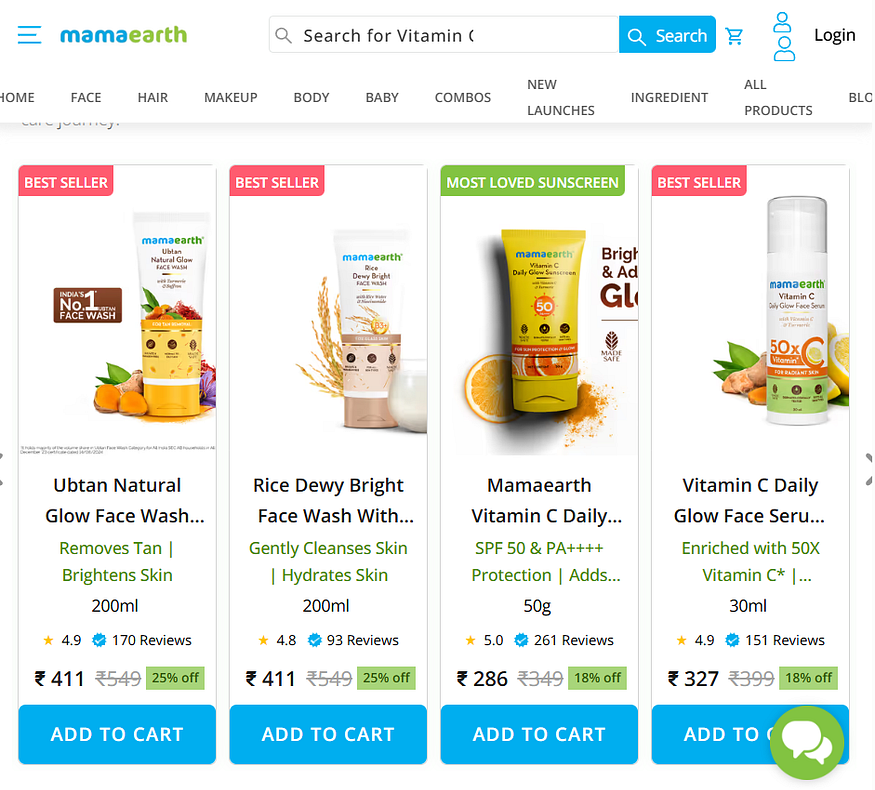
The company scaled rapidly, adding facewash variations, haircare kits, vitamin C formulas, serums, makeup ranges, and even wellness blends to its catalogue. Shark Tank India made Ghazal a national icon. Mamaearth was no longer just a startup. It became a cultural reference for clean, safe and responsible skincare.
But a rapid rise often hides unseen cracks.
The Beginning of the Crisis: When Consumer Trust Started to Crack
The first wave of criticism surfaced on social media. A single controversial tweet triggered a boycott storm. It was not the kind of call-out a cosmetic products brand could easily ignore. Comment sections are filled with disappointed customers sharing screenshots of their experiences.
Review pages across platforms saw a spike in criticism. For a brand built on trust, this shift felt seismic.
Mamaearth was also questioned on transparency and product consistency. Some customers demanded clearer ingredient breakdowns. Others wanted stricter quality checks. Videos reviewing Mamaearth skincare products went viral. The tone changed from admiration to suspicion.
Once the brand entered offline retail, cracks began to appear. Loyal customers who admired its organic products online felt that the physical store experience fell short of their expectations.
It was a growing perception problem. And perception can destroy a brand long before facts are clarified.

Financial Storms and Operational Failures
Behind the scenes, far from social media noise, a much bigger problem was unfolding. The company launched Project Neev — an ambitious internal overhaul aimed at strengthening supply chains, modernising warehouses, and streamlining inventory systems. Instead of supporting growth, the project went wrong. New systems failed to integrate smoothly. Orders got stuck. Stock mismatches increased. Deliveries delayed.
Get Desi_Udyoginis’s stories in your inbox
Join Medium for free to get updates from this writer.Subscribe
The biggest blow came when audits revealed unusable inventory. Mamaearth had to write off around Rs 63 crore. Such a loss would be difficult to absorb even for larger FMCG giants. For a brand still transitioning from startup mode to corporate structure, it was devastating.
Another issue was overexpansion. Within a short time, Mamaearth launched 122 new products. The speed diluted focus. Once loved skincare heroes got lost among too many new cosmetic products. Marketing budgets shot up, especially for influencer campaigns, but conversions did not keep pace. Offline distribution improved visibility but did not translate into strong sales.
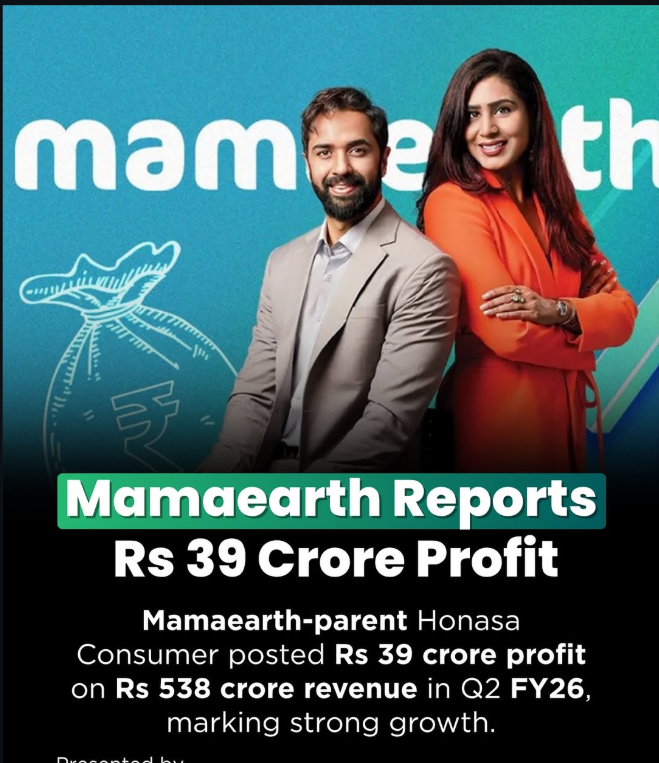
Quarterly financial results reflected growing pressure. Rising costs, shrinking margins and inconsistent demand indicated the brand needed a reset.
Mamaearth was no longer fighting competitors. It was fighting its own operational chaos.
Ghazal Alagh’s Silent Battle: The Human Side Behind the Brand
Many questioned the brand, but only a few understood the weight the founder had to handle in silence. Ghazal Alagh built Mamaearth while navigating postpartum depression. She was managing motherhood, entrepreneurship, and public visibility. As criticism grew, the emotional impact intensified. Every headline, every boycott trend, and every harsh review carried weight.
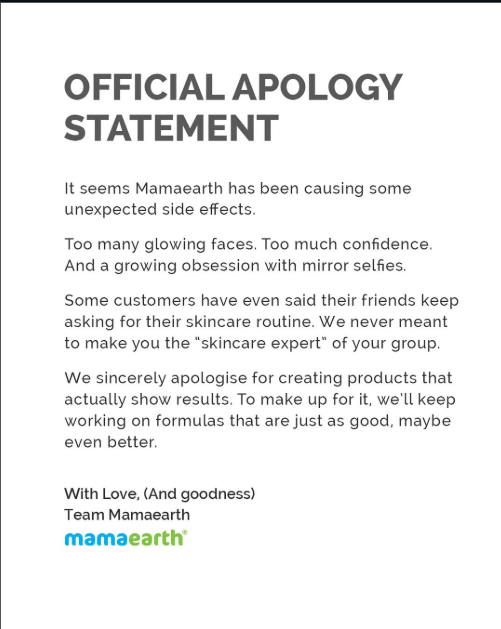
She tried to communicate through interviews and posts. She spoke about transparency and the desire to improve. She acknowledged the pressure and the responsibility that came with millions of families choosing her brand for baby products and skincare products.
Her silence was not indifference. It was exhaustion combined with determination. She was trying to rebuild a brand while also rebuilding her confidence.
This is the part of the story that headlines rarely highlight.

The Road Ahead: Can Mamaearth Rebuild Its Brand and Customer Loyalty
The comeback plan begins with going back to the basics.
The company is now focusing on core organic products like popular facewash lines, simple baby products and high-performing skincare products that built the brand in the first place. There is a stronger push to improve quality checks, packaging durability and delivery timelines.
The company is also strengthening offline distribution. The aim is to ensure customers enjoy the same seamless experience in stores as they once did online. To achieve this, inventory forecasting has become a key priority, ensuring the mistakes of Project Neev are not repeated.
For the wider D2C and cosmetics industry, Mamaearth’s journey is a lesson. Growth can never outrun trust. Digital marketing can bring customers in, but consistency keeps them. Viral fame can lift a brand to incredible heights, but a single mistake can make it fall twice as fast.
Customer expectations have changed. Today’s buyers want transparency, reliable service and clear ingredient details. Brands that ignore these expectations risk losing more than sales. They lose credibility.
Conclusion: Pressure Creates Cracks, But It Also Builds Comebacks
Mamaearth’s rise was inspiring. Its fall was chaotic. The brand now stands at a crossroads. Some customers still love its cosmetic products and organic products. Others are waiting to see if the brand improves. And some feel betrayed.
What remains constant is the truth at the heart of this story. Trust is fragile. Growth is unpredictable. And rebuilding requires more than advertising.
Ghazal Alagh’s journey is still unfolding. She is fighting quietly and steadily to restore faith in a brand that once stood for safety and care.
If Mamaearth can deliver real quality, honest communication and consistent service, the comeback will be stronger than the fall.
The world of skincare rewards brands that listen. The question now is simple. Will Mamaearth listen closely enough to rise again?
Get daily inspiration from women entrepreneurs — follow us on Instagram @desi_udyoginis