
India’s startup scene is changing fast. Increasingly, women are stepping up and building businesses that are shaping the economy. And it’s not just women from big cities like Bengaluru or Chennai anymore. Women from smaller towns are finding the confidence to break barriers, lead teams, raise funds, and build something of their own.
Entrepreneurship is no longer limited to big metro cities like Mumbai or Bangalore. A revolution is underway in Tier 2 and Tier 3 cities, where women entrepreneurs are leading impactful startups. From small manufacturing units to digital platforms, these women are transforming local economies and breaking long-standing gender norms.
According to a 2024 YourStory report, women-led startups from smaller cities are growing three times faster than those from metros, thanks to digital access, supportive policies, and a hunger for independence.
Why do Tier-2 and Tier-3 Cities Matter?
What’s truly inspiring is that this change is not limited to metros. Women from Tier-2 and Tier-3 cities are using digital platforms, e-commerce, and social media to access global markets. Thus making cities like Indore, Coimbatore, Udaipur, Bhopal, and Hubli small urban centres with growing infrastructure and digital access. Initiatives like Stand-Up India, Women Entrepreneurship Platform (WEP), and Skill India are enabling more women to access funding, mentorship, and training.
According to reports by Economic Times, 45% of new startups in India now come from Tier-2 and Tier-3 cities, where 20.5% of MSMEs in India are women-owned. However, only 3% of women entrepreneurs in these cities have access to external funding.
The Tide Bharat Women Aspiration Index claims that around 70% of women-led startups in small towns want to upskill in finance, marketing, and digital tools.
This shift is part of a broader movement driven by women entrepreneurs who are taking advantage of lower operational costs, stronger local networks, and better access to the internet. As a result, these small towns are increasingly becoming thriving hubs for women-led startups.
Government Support & Schemes for Women Entrepreneurs
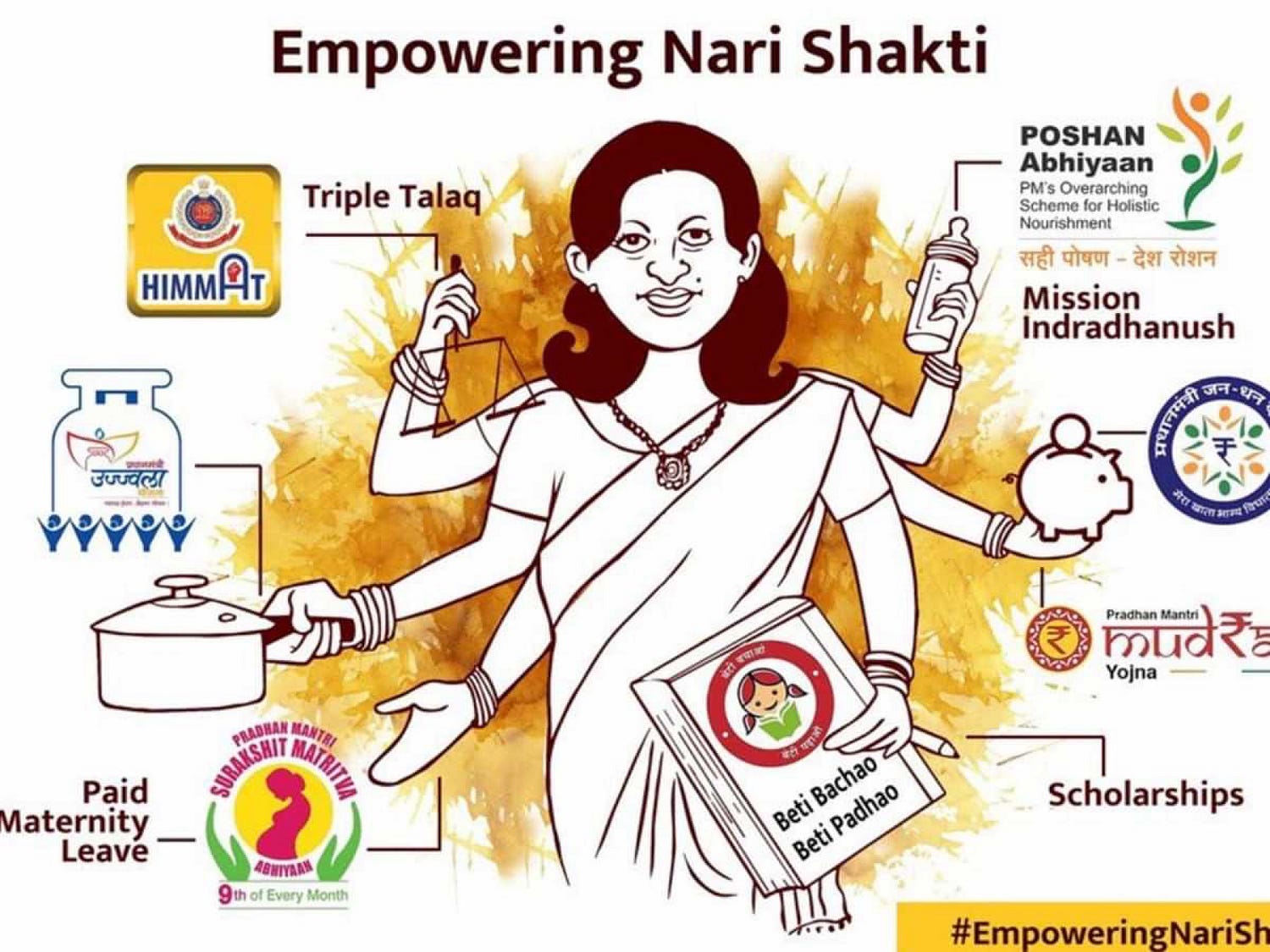
The government of India has launched multiple initiatives to encourage women-led businesses, especially in smaller towns:
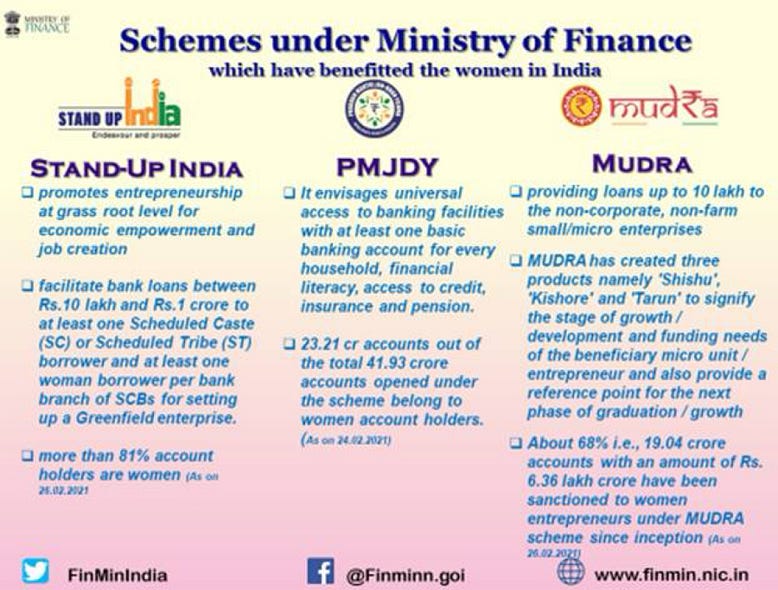
1. MUDRA Yojana, which offers collateral-free loans up to ₹10 lakh, are aimed at small women entrepreneurs starting local businesses
2. Stand-Up India Scheme mandates at least one woman borrower per bank branch, which helps in setting up manufacturing and service sector units.
3. Women Entrepreneurship Platform (WEP), launched by NITI Aayog, that enables women to connect to mentors, funding, and learning resources
With digital tools like UPI, WhatsApp, and Instagram, women can start businesses without needing physical shops. Example: Some founders use WhatsApp to manage orders, talk to customers, and track payments. Also, Google’s Women Founders Accelerator promotes tech startups targeting non-metro areas.
Real-Life Examples of Women Entrepreneurs in Tier-2 and Tier-3 Cities
- Raksha Shenoy – Tapas Foods, Udupi, Karnataka – Raksha Shenoy started a healthy snack brand focused on makhana (foxnuts). This created employment for rural women through local production units. She achieved a revenue goal of ₹1 crore per year. The focus was on healthy living, women’s employment, and local sourcing
- Mili Mishra– Bumshum – Mili Mishra, a passionate entrepreneur from Lucknow, founded Bumshum, a brand dedicated to creating eco-friendly toys and organic clothing for children. Her journey began with a simple belief that children should grow up surrounded by safe, sustainable products inspired by nature. Coming from a Tier-2 city, Mili turned her challenges into opportunities, using local resources and craftsmanship to build a brand that reflects both quality and conscience. Through Bumshum, she has not only promoted sustainable living but also empowered local artisans and women by creating employment opportunities in small-scale production units.
Challenges Faced by Women in Smaller Cities
Despite remarkable progress, women continue to face major challenges limited awareness of funding opportunities, growing family responsibilities, and persistent social expectations. Finding the time and space to build something of their own often becomes an uphill battle.
Get Desi_Udyoginis’s stories in your inbox
Join Medium for free to get updates from this writer.Subscribe
According to a report by Bharat Women Aspiration Index, a research focused on understanding the ambitions, challenges, and ecosystem needs of women entrepreneurs across India, especially in Tier-2 and Tier-3 cities, Many women need male family members to co-sign loans, limiting financial independence to run a successful business. Mentorship and networks are rare, as 86% of women don’t participate in any formal business network. Many women-run businesses are informal or unregistered, so they are missed in official data.
Who Are These Women Entrepreneurs?
Women entrepreneurs from Tier-2/3 cities come from diverse backgrounds, with ages ranging from 20 to 50+, with a growing number of millennial women (18 – 35) starting businesses. Many are first-generation entrepreneurs and are driven by local problems, necessity, or the desire for financial independence. The common sectors often include food & snacks, fashion and textiles, Health & wellness and Craft-based and home decor products.
The Impact of Women-led Startups: Local and National
Women-led startups are boosting the local economy, creating jobs for other women and youth, thus supporting local supply chains and vendors. This reduces urban migration by creating jobs in small towns and uplifting communities through inclusive growth.
Women-led MSMEs boost employment; some studies show up to a 42% increase in women’s jobs when credit is given. Many businesses begin as micro units but have the potential to scale when given access to markets and credit.
The Role of Technology & Digital Platforms
Social media platforms like Instagram, WhatsApp, and YouTube have become marketing tools for women in small cities.
E-commerce apps like Meesho, GlowRoad, and Amazon are enabling women to launch businesses from the comfort of their own homes. Fintech apps are making it easier to obtain loans and manage payments without the need to visit banks.
What’s Next?
With rising digital literacy, expanding internet reach, and stronger ecosystems, the next wave of startups is expected to come from Bharat (non-metro India).
However, for women in Tier-2 and Tier-3 cities to grow faster, they need easier access to funding, better mentorship, and more local incubators and accelerators.
Final Thoughts
The rise of women-led startups in small-town India is a powerful sign of economic and social change. These badass women are not just building businesses; they’re redefining norms, creating jobs, and inspiring communities. As support grows and barriers break, they’re proving that innovation and leadership are not limited to big cities.
Let’s support them, buy from them, and share their stories.
Get daily inspiration from women entrepreneurs – follow us on Instagram @desi_udyoginis